Speaking & Training
Why Book Me?
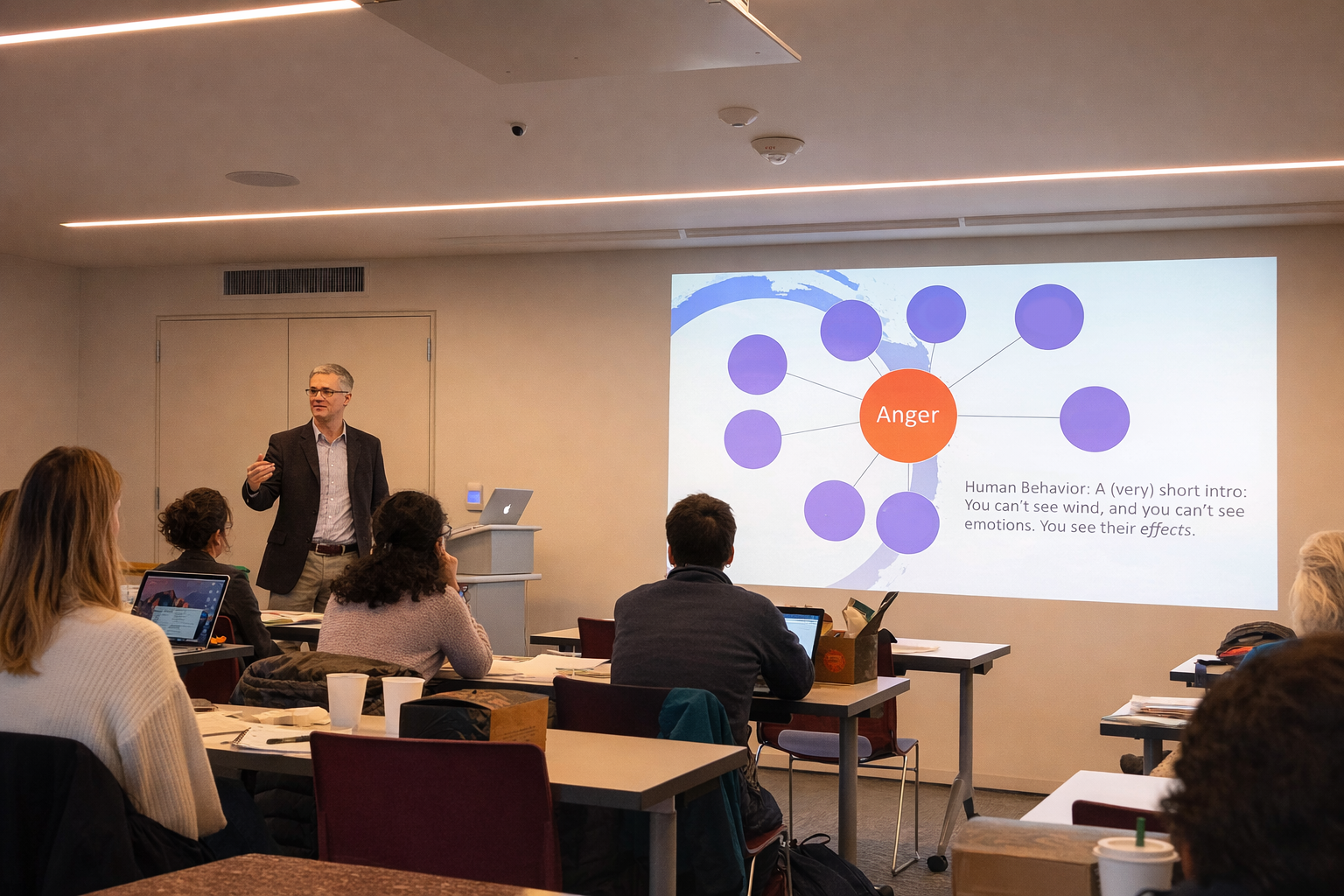
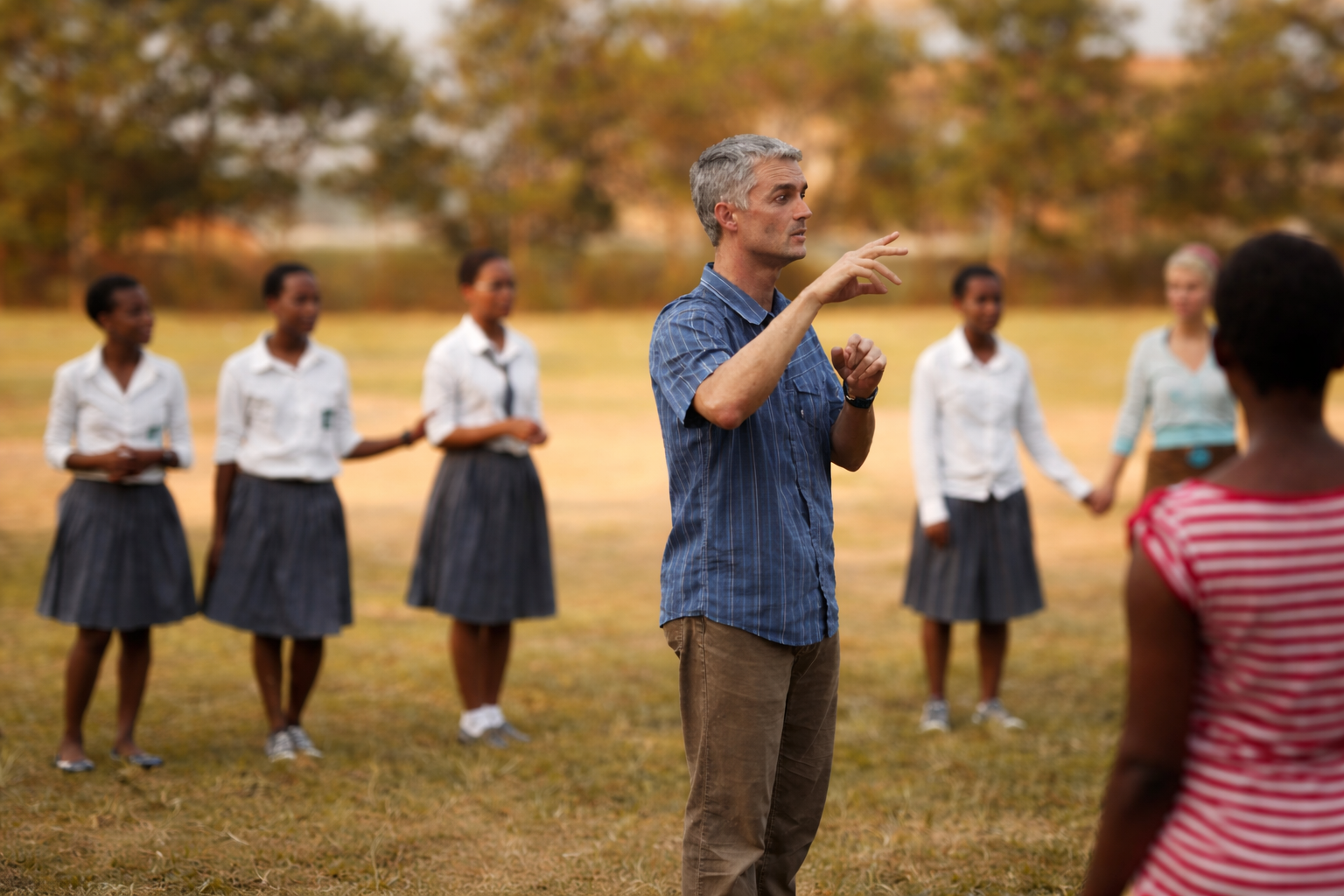
Drawing on my graduate research, decades of independent research and over a dozen publications including research abroad, and my work with over a thousand students from middle school to adult learners, I help schools navigate difficult conversations around difference, identity, and belonging.
I have presented at regional, national, and international conferences on genocide education, literature, pedagogy, and classroom culture. I have also presented public and private schools on culture, history, and the importance of listening across differences in identity.
My work as a speaker, teacher trainer, and facilitator centers on helping educators and students build more empathetic, inclusive learning environments.
Testimonials
“[T]hank you for all of the research you have done on this topic. I loved the way you concluded your presentation by asking open-ended questions. It allowed me to think deeper about the content and its relevance. “
—State School Board Member
“I love the depth of your knowledge, which is why I want to hear more from you.”
—Teacher, Seminar Participant
“He was an effective teacher and I enjoyed listening to him.”
—Teacher, Seminar Participant
“The presenter was very good at listening and validating those who chose to share.”
—Teacher, Seminar Participant
“Brian Crawford's connections to the Rwanda education system/use of propaganda extremely interesting. Using the lens of education when studying these topics is not something I have considered focusing on before, but I am looking forward to exploring those experiences to further my understanding, and to learn how and what to share with students in the classroom.”
—Teacher, Seminar Participant
“[T]he content was fantastic and the students were super engaged. I was excited for the activity!”
—Independent School DEI Coordinator
“Brian Crawford's presentation on a teacher’s role on genocide was fascinating […]. It reminded me how important our role is in the classroom and how we can educate them to view the world in a way that's positive and loving way despite the challenges that are out there.”
—Teacher, Seminar Participant
“[V]ery knowledgeable and balanced in his approach.”
—Teacher, Seminar Participant
“[Th]e session by Mr. Brian Crawford was the highlight [of the day’s presentations]. It reminded us not to just "go with the flow of the society," but truly live and teach the truth and remember how weak/ fragile/confusing we humans can become (yes, every one of us). Knowing that is absolutely important. We need to be brave—we can help prevent genocide.”
—Teacher, Seminar Participant
“I enjoyed your presentation this evening, and learned a lot. Thanks for sharing your knowledge.”
—Teacher, Seminar Participant
“Brian's research on teachers was really interesting and particularly relevant with all the discussion about US textbooks lately.
—Teacher, Seminar Participant
Current Offerings
“What If It’s Me?” Uprooting Intolerance Where We Least Expect to Find It
This half-day training session invites educators to turn the lens inward, building on lessons often drawn from Holocaust education about how intolerance takes root in ordinary societies. Rather than focusing only on the actions of others, the session encourages thoughtful reflection on the subtle habits we all share that can fuel division: labeling, us-versus-them thinking, and moral certainty. Through reflection and guided discussion, participants gain practical strategies to recognize and shift these patterns, fostering more compassionate, inclusive classrooms and communities, starting with themselves.
Navigating Curricular Challenges: Building Bridges, Not Barriers
Teachers and librarians want to bring important topics to students, but rising challenges to books and curricula can make them feel like they’re walking on eggshells. This two-hour session offers practical strategies for addressing these challenges with confidence, grounded in the idea that both teachers and parents want to reduce harm.
Participants will learn concrete tools for shared listening, empathy, and constructive dialogue, leaving with approaches that validate all voices and strengthen trust within their school communities.
Teaching Strategies Rooted in History: Fostering Empathy in the Classroom
This two-hour session offers teachers practical strategies for helping students develop empathy and navigate difference. Using the historical context of Rwanda from 1959–1994, we examine classroom patterns leading up to the genocide—not to assign blame, but to learn from history. We examine the role that teachers played in laying the foundations for intolerance, with the goal of developing inclusive, compassionate learning environments where every student can thrive.
Speaking engagements have included: